






Having a dog is not a whim: it is a commitment
And if you are going to commit, let it be with a Labrador.

🐾 A decision that changes everything
There are decisions that seem small and turn out to be enormous. Having a dog is one of them. I am not talking about a weekend whim or a pretty picture for social media. I am talking about a living being that will depend on you for the next ten, twelve, fifteen years. That will eat, get sick, grow old, and die under your roof. That cannot choose to leave when things get difficult. That does not understand moving, breakups, job changes, or "it's just not a good time right now".
That is why, before talking about breeds, temperament, or how beautiful it is to have a dog, it is worth talking about what almost no one wants to hear: responsibility.
⏰ Responsibility starts with time
A dog is not an object that gets put away in a drawer when it gets in the way. It is a creature with physical, emotional, and health needs that do not disappear just because you are having a bad day. And those needs are not negotiable.
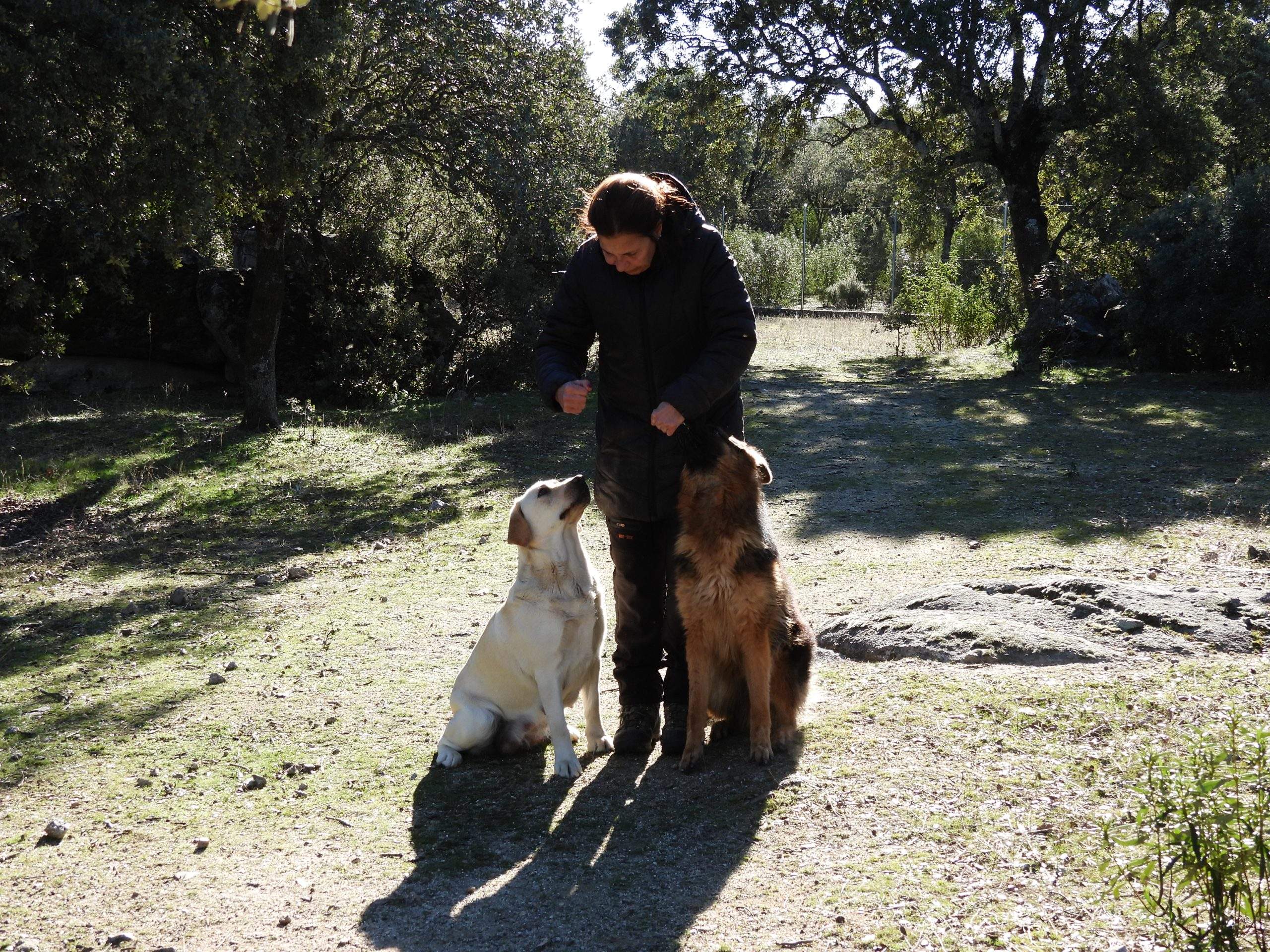
To begin with, there is time. A dog needs to go outside several times a day, every day, rain or shine, whether you are tired or not. We are not talking about opening the door to the patio and going back to sit on the sofa. We are talking about real walks, sniffing, walking, interacting with the environment. A dog that doesn't go out enough is not a calm dog: it is a frustrated dog that will end up chewing the furniture, barking non-stop, or developing behavioral problems that no one wants to take responsibility for later.
💰 The real cost of having a dog
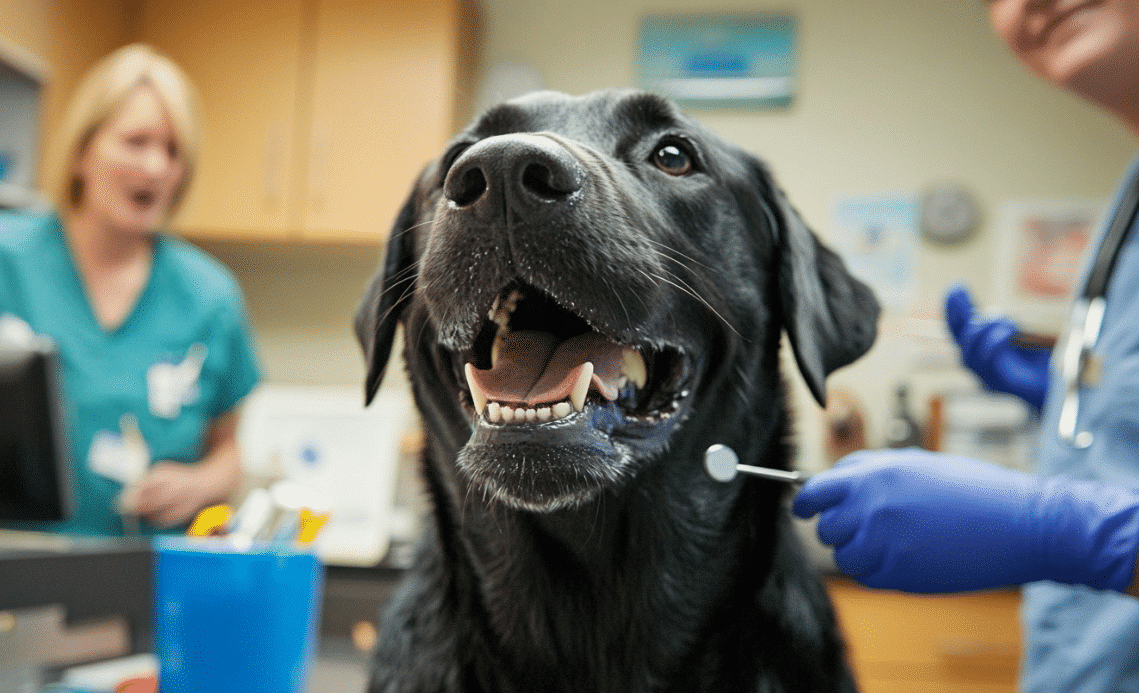
There is also money. Keeping a dog costs money. Quality food, vaccines, deworming, veterinary check-ups, health insurance if you want to take it out (liability insurance is mandatory), possible emergencies, neutering if applicable, training if necessary. A dog can cost you several thousand euros over its lifetime, and that's without counting unforeseen events.
Anyone who is not willing to assume that expense should not have a dog. It's hard to say, but it's the truth.

🧘 Patience: the virtue no one mentions
There is also patience. A puppy bites, urinates indoors, cries at night, and destroys whatever it finds. An adult dog may have traumas, fears, or bad habits acquired from poor socialization. An older dog will require special care, medication, and frequent vet visits. At all these stages, patience is needed. A lot of it. And consistency.

❤️ The emotional commitment
And there is, above all, the emotional commitment. A dog bonds with you. It takes you as a reference. It learns your schedules, your gestures, your moods. When you leave, it waits for you. When you return, it rejoices as if you had come back from war.
That absolute loyalty also generates an obligation: to be worthy of it. Not to abandon it when it is no longer so convenient. Not to leave it in a kennel because "I can't anymore". A dog is not a right. It is a responsibility that is assumed with eyes wide open.

📋 What a dog cannot cover on its own
If I have learned anything from talking to people who live with dogs, it is that most problems do not come from the dog. They come from the environment. A dog that doesn't have its basic needs met becomes a problem, and that problem is almost always generated by the human.
A dog needs daily exercise, and taking it around the corner for five minutes doesn't count. It needs mental stimulation, because a bored dog is an unhappy dog. It needs early socialization so it doesn't become fearful or aggressive. It needs proper nutrition, no more and no less than what corresponds to it. It needs preventive veterinary care, not just when it is already sick. It needs a safe space to rest and feel protected. And it needs, above all, quality time with its person. It's not enough to have it at home like someone has a plant. A dog is not a plant.

🔬 What science says
When all of that is covered, the dog gives back much more than it receives. And I don't say that as a cliché. Science has confirmed it on numerous occasions.
There is also data on movement. An Australian study with more than 1,500 pet owners found that those who have dogs lead a significantly more active life than those who choose another type of pet or none at all.
That is to say: the dog doesn't just keep you company. It gets you out of the house. It moves you. It forces you to walk when your head asks you to stay still.

🐕🦺 Why a Labrador?
Once all of the above is assumed, the inevitable question arrives: what breed to choose? And here it is worth being honest. There are no perfect breeds. There are breeds that fit better or worse with each life, with each home, with each temperament. But if I had to recommend a breed that leaves little margin for error, especially for someone who wants a balanced, sociable, and easy-to-train dog, that breed is the Labrador Retriever.
It's not a fad. It's not a personal preference. It's a reality that is repeated over and over among those who work with dogs: trainers, veterinarians, canine educators. The Labrador is one of the most recommended breeds for families, for people who have never had a dog, and for anyone looking for a companion that adapts well to almost any environment.
🌊 A dog bred to work with you
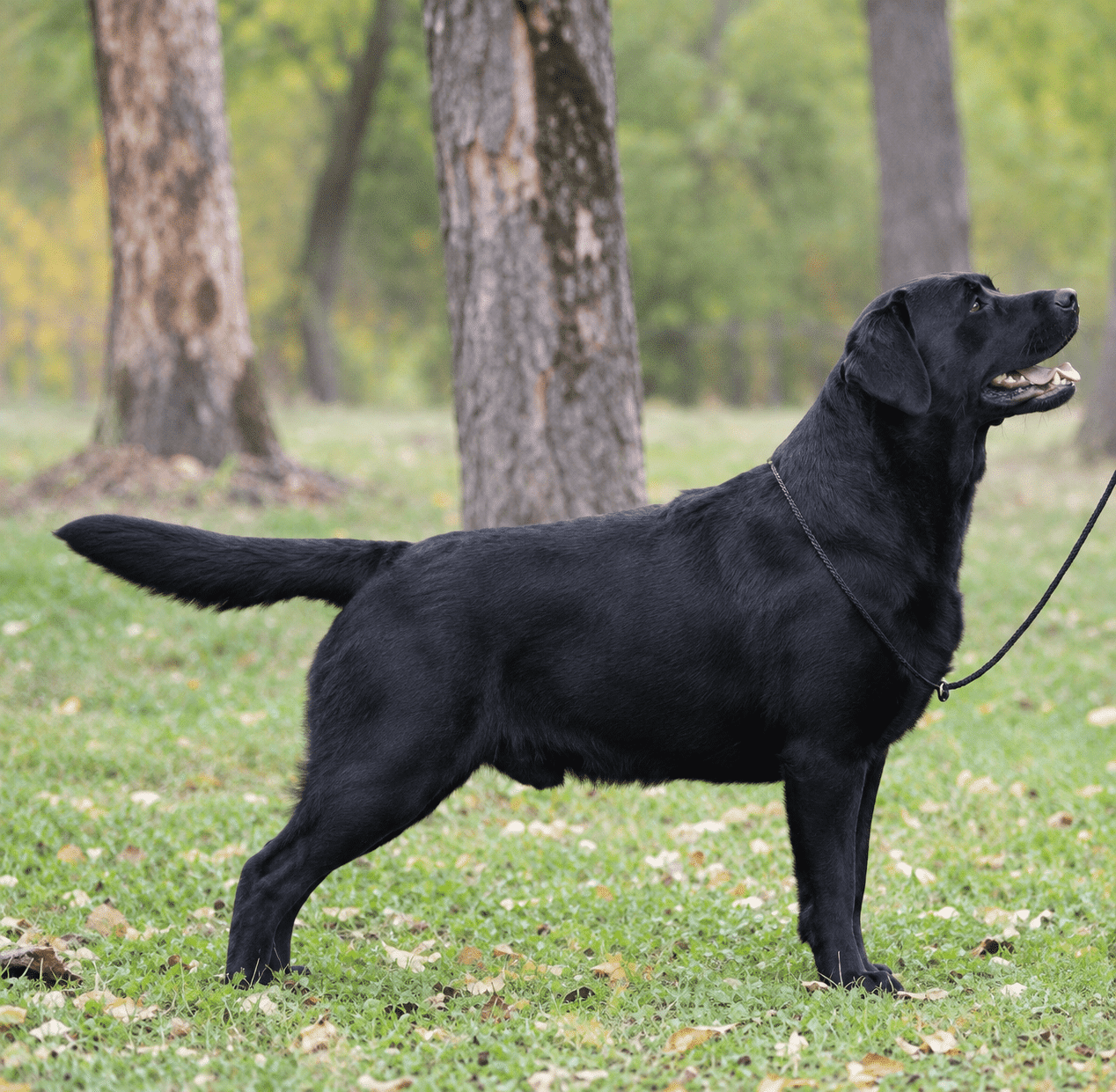
The Labrador is not just any dog. It is a breed bred for generations to work side by side with humans. Its origin dates back to the coast of Newfoundland, Canada, where fishermen used them to retrieve fish from the water, nets, or fishing gear that had fallen into the water. Its water-resistant coat and its characteristic tail, similar to that of an otter, is a direct inheritance of that life by the sea.
Over time, that ability for water work and its willingness to cooperate turned them into hunting dogs and, later, into service, rescue, and assistance animals. That history shows. A Labrador wants to be part of the team. It wants you to ask things of it. It wants to feel that it counts on you and that you count on it.

🏡 A balanced and family-friendly temperament
Its temperament is, in general, balanced. Clubs describe the Labrador as a "highly affectionate, outgoing, friendly, and energetic" dog, whose easy-going personality makes it a solid choice for families. They also note that its temperament, along with its intelligence and outgoing nature, makes it a highly adaptable breed. And it adds something revealing: Labradors are dogs "eager to please their owners", which makes them easy animals to train.
It is, moreover, a dog that is sociable by nature, both with people and with other dogs. It has a well-deserved reputation for being an excellent family dog, with a good disposition towards children, the elderly, and other animals. It is not usually overly territorial or nervous. It adapts easily to apartments, houses with gardens, and rural and urban environments.
And it is affectionate. Very affectionate. A Labrador doesn't give affection in dribs and drabs. It lets itself be touched, hugged, and petted with a pleasure that is sometimes disconcerting. It is clingy, yes, but that is precisely why it works so well with families, with elderly people who live alone, and with anyone who needs a daily reminder that someone is glad they exist.

⚠️ What a Labrador demands from you in return
It would be dishonest to talk only about the good. A Labrador also demands things, and it is worth knowing them before taking it home.
The first is food. A Labrador doesn't eat: it devours. Its enthusiasm for food is legendary, and if the diet is not controlled, obesity appears before you know it. It is not a dog to leave the bowl full and forget about. It needs measured portions, regular exercise, and discipline on the part of the owner.
The second is exercise. Any breeder, club, or owner will tell you clearly: Labradors need a lot of exercise, and they are especially happy playing fetch and swimming. A Labrador is an active dog. It needs movement, games, long walks, and mental stimulation. If it doesn't have it, it gets bored. And a bored Labrador is a Labrador that turns into a little tornado inside the house. Breeders or clubs warn that, given the amount of energy they tend to have, it is important to ensure they receive daily exercise to prevent hyperactive or destructive behaviors.
The third is time. A Labrador wants to be with you. It is not a dog to leave alone for twelve hours a day. It needs company, affection, and attention. If you can't give it that, it's not the right breed for you.

🧠 The decision is made with the head before the heart
Having a dog is an act that is often presented as an impulse of the heart, but in reality it should start with the head. First you think: Do I have time? Do I have space? Can I afford the expense? Am I willing to commit for fifteen years? Can I cover its basic needs even if my life changes?
Only after answering those questions—honestly, without self-deception—does it make sense to ask what breed to choose. And if the answer is yes, that you can and want to assume that responsibility, then the Labrador is one of the best bets you can make.
Not because it is perfect. No dog is. But because it is a breed that, by temperament, by history, and by character, is designed to be close to humans. To accompany. To learn. To love unconditionally.